
%20(1).png)


.png)
What Home Buyers Should Know About Pest Inspections
A home buying pest inspection helps buyers identify hidden pest infestations, damage, and risk factors before closing. It can uncover issues like termites or rodents, support negotiations for repairs or credits, and help buyers avoid unexpected repai


.png)
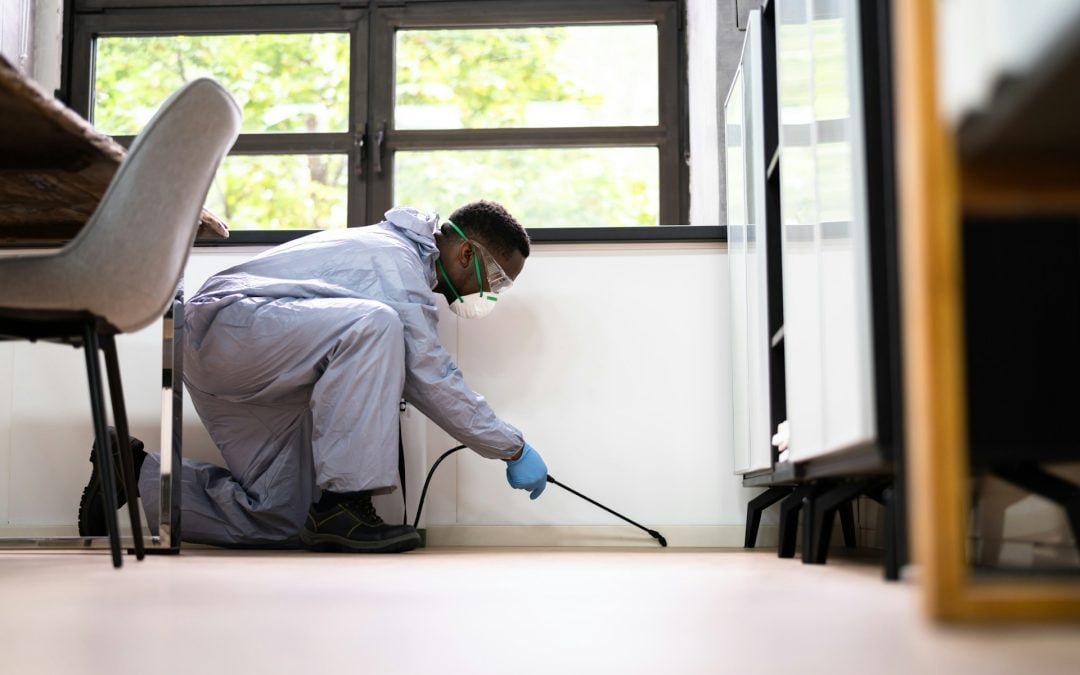
Buying a home is a major investment, and hidden pest problems can lead to costly surprises after closing. A professional pest inspection helps buyers understand whether the property has active infestations, past damage, or conditions that may require pest control before the purchase is finalized.
Home Buying Pest Inspection Basics
A home buying pest inspection is a professional evaluation of a property for insects, rodents, and other pests that could damage the home, create health concerns, or lead to expensive repairs after closing. It is usually performed before the buyer finalizes the purchase, often during the inspection or due diligence period.
A pest inspector typically checks accessible areas such as the interior, exterior, attic, crawl space, basement, garage, foundation areas, accessible wood framing, moisture-prone spaces, exterior walls, decks, porches, trim, window areas, plumbing penetrations, and areas where pests commonly enter or nest. The inspection may look for active infestations, past pest activity, conditions that attract pests, structural damage, droppings, nests, wings, mud tubes, gnaw marks, wood damage, moisture problems, wood-to-soil contact, cracks, gaps, and entry points.
Termites are one of the main concerns during a home buying pest inspection, but the inspection may also identify carpenter ants, powderpost beetles, cockroaches, rodents, wildlife activity, wasps, spiders, mosquitoes, and other pests depending on the location and property type. Some inspections are limited to wood-destroying organisms, while others are broader pest evaluations that may point buyers toward services such as mosquito control, so buyers should confirm what is included before scheduling.
For buyers, the most useful part is not just finding out whether pests are present. It is understanding whether the issue is minor, active, expensive, recurring, or likely to affect the home after closing, or whether a specialist such as a bed bug exterminator may be needed.
Buyers should know that a pest inspection is usually visual and limited to accessible areas. Inspectors generally do not open walls, remove flooring, dismantle finished surfaces, or inspect areas that are blocked or unsafe. That limitation matters. A "clean" pest report lowers risk, but it does not guarantee that hidden pests or concealed damage do not exist.
The best reports do more than list pests. They separate active infestation, old evidence, visible damage, conducive conditions, and areas that could not be inspected. That distinction helps buyers understand what actually needs attention before closing.
Why Pest Inspection Before Buying House Matters
A pest inspection gives buyers a clearer understanding of the home’s condition before they commit to the purchase. Many pest problems are not obvious during a showing or even a general home inspection. Termites, carpenter ants, beetles, rodents, and other pests can hide inside walls, crawl spaces, attics, basements, insulation, and structural wood.
The biggest value for buyers is risk reduction. Pest problems can change the real cost of buying a home. The sale price may look reasonable, but untreated termites, rodent contamination, carpenter ant damage, moisture-related wood decay, old damage, and maintenance issues can create costs that show up after the buyer owns the property.
The inspection report can also help buyers make informed decisions during negotiations. Before closing, the buyer may still have options: request treatment, ask for repairs, negotiate a credit, reduce the sale price, get a second opinion, ask the seller to supply documentation showing that previous pest problems were properly handled, or walk away if the contract allows it. After closing, those same problems usually become the buyer’s responsibility.
A pest inspection can also reveal patterns. A few rodent droppings in a garage may be a small issue. Rodent activity in the attic with damaged insulation and multiple roofline gaps is a different situation. Old termite evidence with a transferable treatment warranty may be less concerning than fresh mud tubes, moisture problems, and no treatment history. The value of the inspection is in helping the buyer understand the difference.
Do You Need A Pest Inspection When Buying A House
A pest inspection is highly recommended when buying a house, especially in areas where termites, carpenter ants, rodents, or moisture-related pest problems are common. It may also be required by certain lenders, loan programs, local rules, or contract terms. For example, some VA loans or regional real estate practices may require a wood-destroying insect inspection.
Even when it is not required, most buyers should strongly consider getting one. Pest issues are often hidden, and the repair costs can be difficult to judge during a normal showing. A general home inspection may note visible pest concerns, but it is not always a detailed pest evaluation or a substitute for calling a pest inspector or cockroach exterminator when signs of roach activity are present. A licensed pest inspector is trained to identify signs that buyers may miss, including subtle wood damage, termite tubes, old treatment evidence, rodent entry points, wood-destroying organisms, entry points, damage patterns, and conducive conditions such as wood-to-soil contact or excess moisture.
For many buyers, pest inspection before buying house is a practical step because it can uncover problems that are easy to overlook during a walkthrough. It gives the buyer a clearer record of pest risks before making final decisions about the property.
A pest inspection is especially worthwhile if the home has a crawl space, basement, wood siding, decks, older framing, previous termite treatment, moisture issues, heavy landscaping near the foundation, firewood near the house, or nearby wooded areas. Buyers should also consider one if the seller discloses past pest treatment, because "treated before" does not always mean the problem is permanently resolved.
Issues Found in Home Buying Pest Inspection
A pest inspection may uncover active infestations, previous pest activity, pest-related damage, and conditions that make future infestations more likely. Common findings include termite activity, termite mud tubes, damaged or hollow-sounding wood, discarded wings, carpenter ant activity, wood-boring beetle damage, cockroach activity, wasp nests, spider infestations, rodent droppings, gnaw marks, nests, insulation damage, chewed wiring, and entry holes around the foundation or roofline.
Inspectors may also find wildlife entry points, damaged crawl space materials, moisture-damaged wood, fungal decay, and signs of pests around plumbing penetrations, vents, siding gaps, decks, porches, garages, and basements. Evidence can include live insects, droppings, nests, mud tubes, frass, gnaw marks, damaged insulation, entry holes, or pest trails.
Past damage may include weakened wood, old termite galleries, patched entry points, stained insulation, previous treatment marks, or areas where repairs were made without clear documentation. Buyers should not ignore old evidence. The key question is whether the issue was fully treated, whether the damage was repaired correctly, and whether the conditions that caused the infestation still exist.
Some findings are active problems that require treatment. Others are warning signs, such as excessive moisture, poor drainage, leaking pipes, firewood stored against the house, mulch built up against siding, untreated wood touching soil, foundation cracks, gaps around utility lines, damaged vents, overgrown vegetation, or debris under decks and crawl spaces. These conditions may not mean the home currently has an infestation, but they can increase the chance of pest problems later.
When to Schedule Pest Inspection Before Buying House
A pest inspection should usually be scheduled as soon as the buyer is under contract and within the inspection or due diligence period, ideally around the same time as the general home inspection. This gives the buyer enough time to review the report, ask follow-up questions, request additional evaluations if needed, get treatment or repair estimates, request repair bids, and negotiate with the seller before important deadlines pass.
Scheduling pest inspection before buying house early also gives buyers more time to compare treatment options, understand repair needs, and avoid rushed decisions close to closing.
In many transactions, scheduling both inspections around the same time can be convenient because both inspectors may need access to similar areas of the property, such as the attic, crawl space, basement, garage, and exterior.
Buyers should avoid waiting until just before closing. Waiting until the end of the process can create pressure. If the inspection finds active termites, rodent contamination, or damaged wood close to closing, the buyer may have less time to understand the severity of the issue and decide whether to request treatment, repairs, a credit, a price adjustment, or further specialist evaluation.
Buyers should also make sure the inspector can access the important areas of the home. Crawl spaces, attics, garages, basements, sheds, and exterior foundation areas should be accessible whenever possible. If access is blocked, the report should clearly state what was not inspected. An inaccessible crawl space or attic can be a bigger concern than a simple "no pests found" summary suggests.
Who Pays For Pest Inspection Buyer Or Seller
Who pays for the pest inspection depends on the purchase contract, local customs, loan requirements, and negotiation between the buyer and seller. In many home purchases, the buyer pays for the inspection because it is part of the buyer’s due diligence. Paying for it also allows the buyer to choose the inspector, receive an independent report, and use the information to make a more informed decision.
In some markets, the seller may pay for a pest inspection before listing the home, provide a recent pest report, or agree to cover the inspection as part of the contract. A seller may also pay for treatment or repairs if the inspection finds an active infestation or damage that affects the sale, depending on the contract terms and negotiations.
There is no single rule that applies everywhere. Buyers should review the purchase agreement carefully and ask their real estate agent or closing professional how pest inspection costs and pest-related repairs are typically handled in their area.
The more important issue is not only who pays for the inspection. Buyers should also clarify who pays if treatment, repairs, reinspection, or warranty transfer is needed. A low inspection fee can lead to a much larger negotiation if termites, rodents, or structural damage are found.
After Pest Inspection Buying House Finds Problems
If the pest inspection finds termites, rodents, or another infestation, the next step is to understand whether the issue is active, how severe it is, whether there is related damage, and what it will cost to correct the problem properly. The inspector’s report should describe the findings, affected areas, visible evidence, and recommended next steps. In some cases, the buyer may need a treatment estimate, a structural repair estimate, or a follow-up evaluation from a contractor.
For termites, the recommendation may include professional treatment, monitoring, moisture correction, damaged wood repairs, reinspection, or further inspection of inaccessible areas. For rodents, the solution may include trapping, exclusion work, sanitation, insulation cleanup or replacement, sealing entry points, and preventing re-entry. For carpenter ants or beetles, the solution may involve treatment plus correction of moisture or damaged wood conditions. For other pests, treatment depends on the species, location, and extent of the problem.
The buyer can then decide how to proceed within the terms of the contract. Common options include asking the seller to treat the infestation before closing, requesting repairs, negotiating a seller credit, reducing the purchase price, accepting the property as-is, or cancelling the contract if allowed by the inspection contingency.
Buyers should be careful with vague solutions such as "seller to treat pests" without details. A stronger agreement usually identifies the pest, required treatment, licensed provider, documentation, warranty information, repair scope, and whether a reinspection is required before closing.
Not every infestation means the buyer should cancel the purchase. Some pest issues are routine and manageable. The concern increases when there is active structural damage, hidden access limitations, repeated infestation history, unclear treatment records, or repair estimates that are much higher than expected.
How Pest Inspection Before Buying House Affects the Sale
A serious pest inspection finding can affect the sale, purchase price, repair terms, closing timeline, financing conditions, insurance concerns, or buyer confidence. Active termites, extensive wood damage, rodent contamination, or repeated infestation history can lead buyers to renegotiate, request seller credits, or ask that the seller address the issue before closing.
When the report raises concerns, pest inspection buying house decisions often come down to the type of pest, the amount of visible damage, and how much time remains before closing. This is why buyers should review the report carefully instead of treating every finding as the same level of risk.
A pest inspection does not always stop a sale. Many pest problems are treatable, and some findings are minor maintenance concerns rather than major defects. The impact depends on the type of pest, whether the infestation is active, how much damage exists, whether structural components are affected, and how willing both sides are to negotiate.
The effect also depends on the severity of the findings. A small, treatable pest issue may only require service and documentation. Active termites with damaged structural wood may lead to repair negotiations, contractor estimates, lender questions, or a request for a price reduction. Rodent activity may be more significant if there is attic contamination, damaged insulation, chewed wiring, or multiple open entry points.
Buyers should avoid treating every pest finding the same way. The better approach is to separate routine treatment issues from property-condition issues. A pest treatment may solve the infestation, but it may not fix damaged framing, moisture problems, insulation contamination, or open access points.
For buyers, the report can provide leverage and protection. For sellers, addressing the issue quickly and providing treatment documentation can help keep the transaction moving. When damage is significant, both parties may need estimates from licensed pest control companies, contractors, or structural specialists before agreeing on a solution.
A bad report can also reveal whether the seller has maintained the home carefully. Pest activity combined with water damage, poor drainage, neglected crawl spaces, and blocked access may point to broader maintenance concerns that deserve closer review.
Choosing a Home Buying Pest Inspection Expert
Buyers should choose a pest inspector who is licensed, insured, experienced with real estate transactions, and familiar with the pest risks common in the local area. A good inspector should clearly explain what the inspection includes, what areas will be checked, whether the report covers termites and wood-destroying organisms only or broader pest concerns, whether inaccessible areas are excluded, and how quickly the report will be delivered.
During a home buying pest inspection, the inspector should also be able to explain which findings require immediate action and which are mainly preventive concerns. This helps buyers understand the report without overreacting to routine maintenance issues.
Buyers should look for an inspector who provides a written report with photos, location-specific findings, recommendations, and clear language about whether activity appears active or inactive. A strong report should also explain the difference between cosmetic damage, old pest evidence, active infestation, visible damage, and conditions that may attract pests in the future. Buyers should be cautious of reports that only say "pass" or "fail" without enough detail to support a decision.
Before hiring an inspector, buyers can ask about licensing, certifications, experience with wood-destroying organism inspections, report turnaround time, sample reports, pricing, treatment recommendations, whether the company performs both inspections and treatments, and whether warranties are available or transferable.
When comparing providers for pest inspection before buying house, buyers should look for clear reporting, local experience, and enough detail to support negotiations if problems are found. A reliable inspector should make the pest inspection buying house process easier to understand, not more confusing.
When the same company offers treatment, buyers should still make sure the findings are well documented and, for major issues, consider getting a second opinion or separate repair estimate. This is especially useful when the same company that finds the problem is also selling the treatment. A reliable inspector should not pressure the buyer. Their job is to document the condition clearly so the buyer can make a confident decision before closing.
A well-documented home buying pest inspection can give buyers more confidence before closing, especially when the report clearly separates active issues, old evidence, damage, and conducive conditions. For many buyers, pest inspection buying house decisions are easier when the findings are specific, documented, and connected to practical next steps.


.jpg)
%20(3).png)