
%20(1).png)


.png)
How Your Home’s Heating System Affects Resale Value
When homeowners think about resale value, they usually focus on kitchens, bathrooms, and curb appeal, but heating plays a bigger role than many realize.


.png)
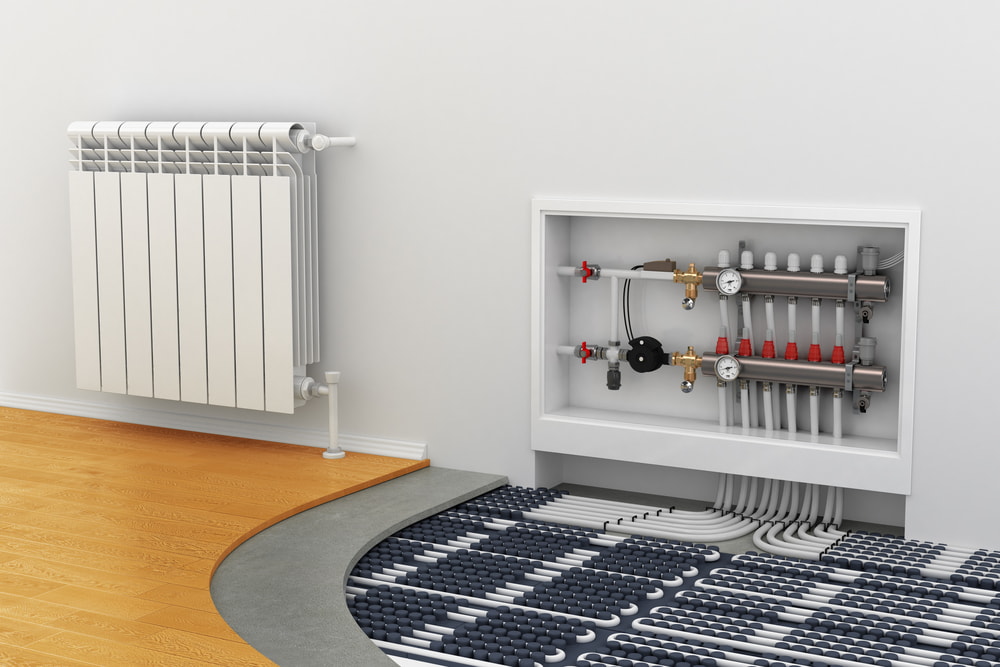
From overall comfort to long-term operating costs, decisions around furnace installation and system upkeep quietly influence how buyers judge a home’s value and risk before they ever make an offer.
How Heating Systems Affect Heating Value
A heating system quietly shapes how buyers feel about a home long before they look at numbers. Even if they don’t know the brand or efficiency rating, buyers instinctively judge whether the home feels reliable, comfortable, and low-risk, and that perception directly influences heating value.
A modern, well-maintained heating system signals that the home has been cared for behind the walls, not just cosmetically updated. It reinforces the perception that the property will be dependable and not costly to maintain, strengthening overall heating value. On the flip side, an aging or questionable system introduces uncertainty. Buyers start mentally subtracting money for future repairs, disruptions, or replacement, even if everything else looks great.
In short, heating doesn’t usually "wow" buyers, but it strongly influences whether they feel confident moving forward, or hesitant, making it a quiet driver of heating value.
Does a New HVAC System Increase Home Value?
Yes, but not in the same way a kitchen renovation does. A new HVAC system typically protects value and strengthens negotiating power rather than dramatically increasing the sale price, which is why new HVAC home value is best understood as risk reduction, not a price spike.
Buyers see a new system as one less major expense they’ll face after closing. That peace of mind often translates into fewer objections, smoother inspections, and less pressure to offer credits or price reductions. In competitive markets, it can also be the quiet differentiator that pushes a buyer to choose one home over another, reinforcing new HVAC home value.
Think of a new HVAC system as a value stabilizer: it reduces friction, supports new HVAC home value, and keeps deals from unraveling late in the process.
Heating Systems and HVAC System Impact on Property Value
Heating systems that balance efficiency, familiarity, and future-readiness tend to have the strongest HVAC system impact on property value. What matters most isn’t just the system type, it’s whether buyers trust it to be affordable to run, easy to service, and relevant for the next 10-15 years.
Heating systems that combine reliability, efficiency, and long-term usability have the greatest HVAC system impact on property value. High-efficiency furnaces, boilers, modern heat pumps, and hybrid systems tend to perform well because buyers trust their performance and operating costs. Systems that align with current energy standards and climate expectations are consistently viewed more favorably than older or unconventional options, further strengthening HVAC system impact on property value.
System Age, Efficiency, and Heating Value
Age and efficiency shape buyer expectations almost immediately. A newer, energy-efficient system reassures buyers that they won’t be inheriting a major expense, while an older or inefficient one triggers questions about reliability and ongoing costs, even if it technically works. These reactions directly influence heating value.
Efficiency plays an even bigger role today, as buyers increasingly factor in monthly operating costs, not just purchase price. These concerns often translate into lower offers, repair credits, or tougher negotiations after inspection. In contrast, newer and efficient systems create confidence and leverage, reinforcing heating value while outdated systems quietly erode it.
Why Heating System Inspection Matters When Selling
A heating system inspection can be either a liability or a strategic advantage, it depends on timing. When sellers wait for the buyer’s inspection, any issues discovered often feel bigger, more expensive, and more urgent, which is when buyers start negotiating aggressively and questioning HVAC system impact on property value.
A pre-listing heating system inspection allows sellers to control the narrative. Minor fixes can be handled upfront, documentation can be shared confidently, and buyers are reassured that there are no hidden surprises. Clear inspection results establish transparency and trust, transforming the heating system from a question mark into a checked box and protecting new HVAC home value during negotiations.
How Poor Maintenance Affects HVAC System Impact on Property Value
Absolutely, and often more than sellers expect. Poor maintenance raises red flags beyond the heating system itself, as buyers may assume that if the furnace was neglected, other behind-the-scenes systems were too, weakening overall HVAC system impact on property value.
Outdated systems also clash with modern buyer expectations around comfort, efficiency, and reliability. Even minor visible issues or lack of service records uncovered during a heating system inspection can lead buyers to factor in future costs and push for concessions, even if the home is priced fairly. In many cases, it’s not the system failing that hurts value, it’s the risk buyers associate with it.
Energy Efficiency and Heating Value
Energy efficiency has shifted from a "nice bonus" to a real decision factor. Buyers increasingly connect efficiency with long-term affordability, environmental responsibility, and future-proofing, all of which strengthen heating value.
Efficient heating systems help buyers feel more comfortable stretching their budget because they anticipate lower monthly costs. They align with concerns about energy prices, sustainability, and predictable ownership expenses, shaping how buyers evaluate heating value over time. Efficiency doesn’t just save money; it builds trust.
When Upgrading Improves New HVAC Home Value
Upgrading makes the most sense when the existing system is clearly working against the sale, when it’s near the end of its lifespan, visibly outdated, or likely to fail a heating system inspection. In these cases, an upgrade can prevent price reductions and support stronger new HVAC home value.
In competitive markets where buyers have choices and small advantages matter, upgrading can also be a smart move. However, upgrading purely to chase a higher price isn’t always the best strategy. When the system is functional and reasonably efficient, targeted repairs, improved efficiency, or better documentation may deliver a stronger return. The smartest approach is strategic, not automatic. Upgrade when it removes buyer hesitation and protects new HVAC home value, not just because the system is old.


.jpg)
%20(3).png)